







Search Results for: 96-Hour Anaerobic Natural

A Complete Guide to Ethiopia Sidamo Santa Vini Processing Station: Variety 74158 and 96-Hour Anaerobic Natural Flavor
Sidamo, as a high-altitude coffee-producing region in southern Ethiopia, nurtures layered and complex coffee flavors thanks to its intricate terrain and microclimates. This article focuses on the Santaverney processing station under DWD Company, outlining its geographical background, the harvesting standards of the Red Cherry Project, the 96-hour anaerobic natural processing method, and an in-depth exploration of the origins and rise to fame of the 74158 variety. This fully red-ripe anaerobic natural bean recommended by Front Street Coffee presents a captivating combination of citrus, pineapple, guava, and a red wine finish, taking you to discover the unique charm of Sidamo coffee. [more…]
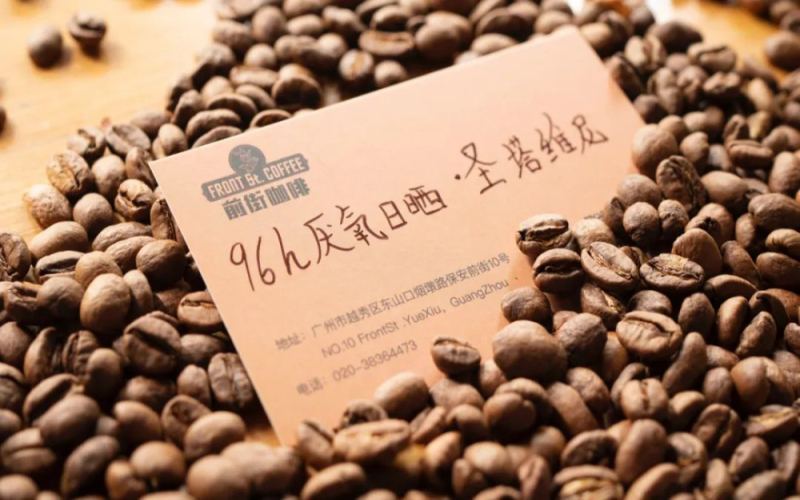
Front Street Coffee Explains Ethiopia Sidamo Santa Vini 74158: A Flavor Analysis of Fully Ripe Cherry 96-Hour Anaerobic Natural
In the landscape of Ethiopian specialty coffee, the Sidamo region has always held a unique position. The 74158 variety produced by the Santa Vini processing station, with whole red cherry harvesting combined with 96-hour anaerobic natural processing, delivers a highly distinctive flavor profile. This bean not only reaches G1 grade, but also matures slowly at a high altitude of 2,050 meters, giving it rich and clearly layered flavors. Front Street Coffee's Sidamo Santa Vini this time presents bright fruit notes of citrus, pineapple, and guava, accompanied by a long red wine finish. This article will analyze the unique qualities of this coffee bean one by one, from origin information and processing methods to flavor characteristics, providing coffee lovers with a complete tasting reference. [more…]
Ethiopia Sidamo Shantawene Natural Coffee Flavor Analysis: Variety 74158 and 96-Hour Anaerobic Processing
The Santa Vini processing station is located in the high-altitude zone of Ethiopia's Sidama region, known for whole-ripe-cherry picking and a 96-hour anaerobic natural process. Its 74158 variety coffee beans present rich layers of citrus, pineapple, guava, and a red wine finish. This Sidama Santa Vini, newly listed by Front Street Coffee, comes from a high-altitude processing station under the DWD company, at an elevation of 2,050 meters, Grade G1. This article will sort through the historical and geographical background of the Sidama region, the origins of the Red Cherry Project, the refined fermentation process of the Santa Vini processing station, and the breeding history of the disease-resistant variety 74158, helping readers fully understand the flavor causes and origin story of this coffee. [more…]

How Anaerobic Fermentation Reshapes the Coffee Flavor Landscape: From WBC Championship to Santa Viny 96-Hour Natural
In recent years, the coffee consumer market has continued to expand, and various novel green bean processing methods have emerged one after another. The industry habitually refers to them collectively as special processing methods. These techniques give coffee a more diverse and distinctly individual flavor expression, and also bring richer layers of mouthfeel, thus winning the favor of a large number of enthusiasts. At present, the more mainstream special processing methods include anaerobic washed or natural, enzyme washed, lactic acid fermentation, and barrel-aged processing, among others. Among them, anaerobic fermentation has especially high exposure. This trend can be traced back to 2015, when the WBC World Barista Championship winner that year, Sasa Sestic from Australia, brought anaerobic fermentation processing into the public eye, and discussions around the fermented feel of coffee have not ceased to this day. This article will sort out the development of anaerobic processing, analyze the specific process of anaerobic natural, and introduce anaerobic-processed coffee beans such as Santa Vini currently sold by Front Street. [more…]

Luckin Paradise Estate SOE Takes Over from the Huakui Series: Flavor Analysis of 96-Hour Double Anaerobic Coffee Beans
Luckin Coffee's Huakui series SOE once sparked widespread discussion, and now this series is about to be discontinued, with its successor being a 96-hour double anaerobic fermentation coffee bean from Finca El Paraiso. This SCA85+ specialty-grade bean comes from Finca El Paraiso, which has repeatedly appeared on the Colombia LOD competition rankings, and features bright lemongrass flavor and fruit wine aroma. Luckin uses a medium-dark roast to ensure consistent in-store output. At the same time, Luckin also plans to launch the Huakui PLUS series in the second half of the year, with procurement volume possibly exceeding 250 tons. This article provides a detailed analysis of the flavor performance of Finca El Paraiso SOE, its processing method, and Luckin's strategic layout in the specialty coffee sector, along with professional recommendations from Front Street Coffee. [more…]
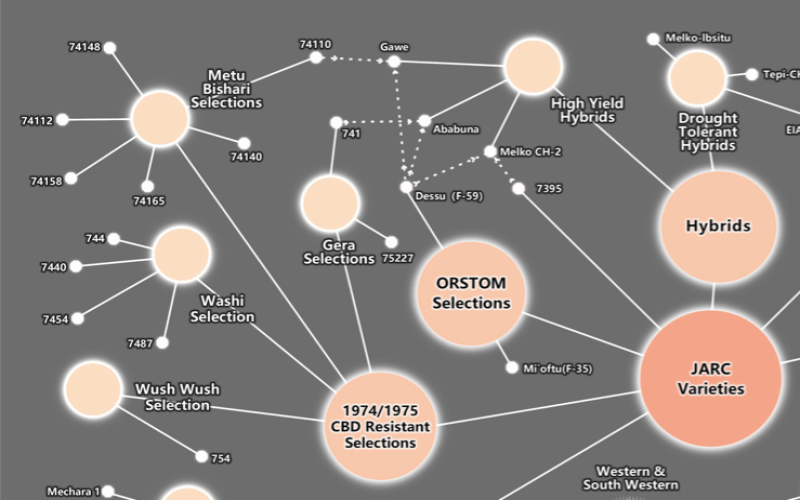
The Origins of Ethiopia's 74 Series Numbered Coffee Varieties and a Flavor Brewing Guide for 74158
In the world of coffee, some varieties are not known by familiar names like Bourbon or Typica, but by a string of seemingly mysterious numbers, such as Ethiopia's 74 series, which begins with 7. Where did they come from, and what do the numbers represent? This article traces the background behind the creation of this group of disease-resistant varieties, explains the meanings of codes such as 741, 74110, 74158, and 74165, and focuses on the Sidamo Saint Vini 74158 sold by Front Street Coffee, sharing the flavor profile and pour-over parameters brought by its 96-hour anaerobic natural process, helping coffee lovers understand the story behind numbered varieties and their charm in the cup. [more…]
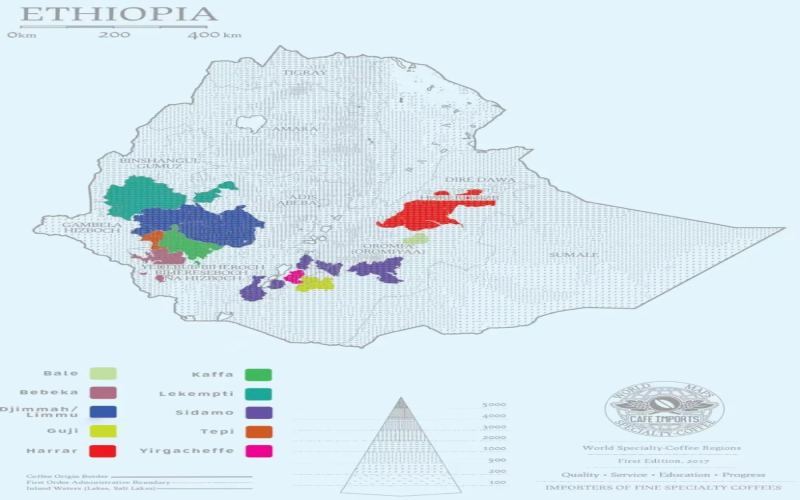
Exploring Ethiopia's Sidama Region: An Analysis of the Santavini Processing Station and the 74158 Numeric Variety Coffee
Ethiopia, as the birthplace of coffee, is home to more than ten thousand incompletely identified Arabica varieties, and the Sidamo region is one of the most representative star origins among them. Starting from the geographical and cultural background of Sidamo, this article traces the evolution of its name and its terroir advantages, focusing on the unique microclimate of the Santa Vini processing station and its 96-hour anaerobic natural process, while offering an in-depth interpretation of 74158 within the JARC digital variety system. At the same time, drawing on Front Street Coffee's example of bean selection, it presents the complete picture of this Sidamo Santa Vini coffee bean from origin to processing method, taking you to appreciate the diverse charm of African specialty coffee. [more…]
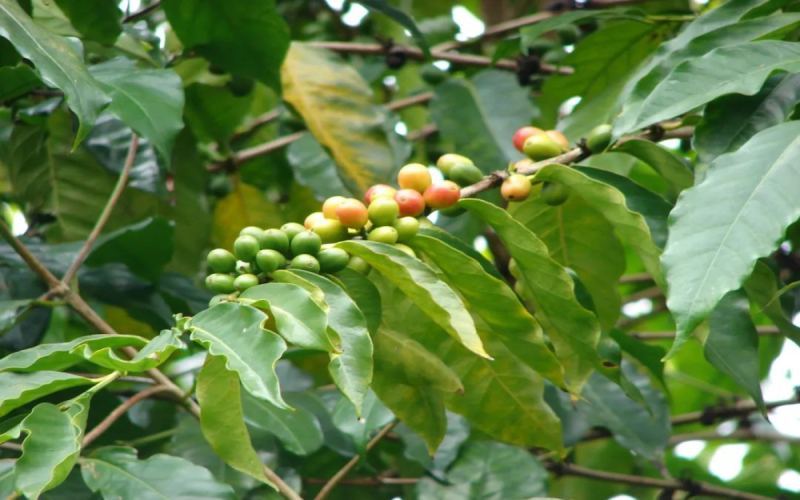
Exploring Ethiopia Sidamo: A Comprehensive Analysis of the Santavini Processing Plant 74158 Coffee Beans
Ethiopia, as the birthplace of coffee, boasts a rich variety of native heirloom varieties and unique natural conditions. The Sidama region, with its high altitude, fertile volcanic soil, and abundant rainfall, has become synonymous with high-quality coffee. The Santa Vini processing station, a high-altitude processing facility under DWD Company, processes the 74158 variety using a 96-hour anaerobic natural method, presenting tropical fruit flavors such as pineapple and citrus along with a full-bodied mouthfeel. Front Street Coffee has selected this bean and brews it using a V60, a 1:15 coffee-to-water ratio, and 92°C water temperature, delivering fermented wine aromas and a sweet red wine aftertaste that coffee enthusiasts will savor. [more…]
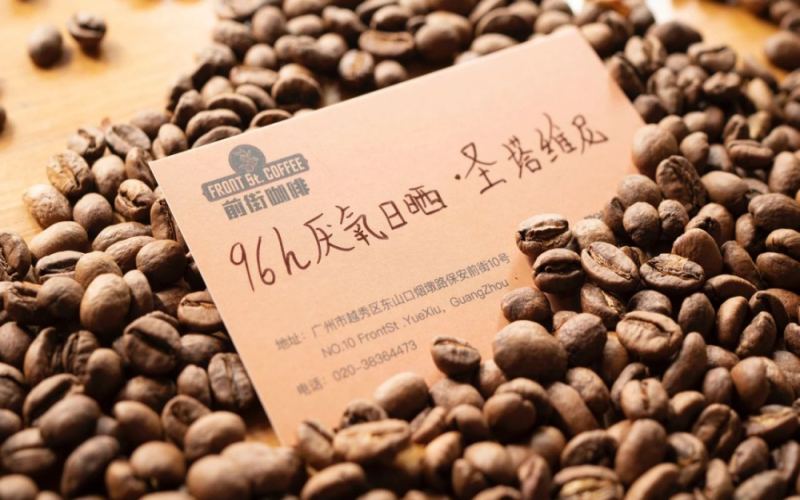
Coffee Bean 74 Series | What Are Ethiopian Coffee Varieties 74110 and 74158? Introduction to Sidamo Santa Vini Coffee Flavor, Mouthfeel, and Pour-Over Brewing Parameters
(Top left) Among the thousands of different coffee varieties, it's inevitable that some beans have rather unusual names! Unlike most beans such as Bourbon and Typica, which have conventional names, these are like secret agents, each with their own code number. For example, varieties named with letters plus numbers. [more…]
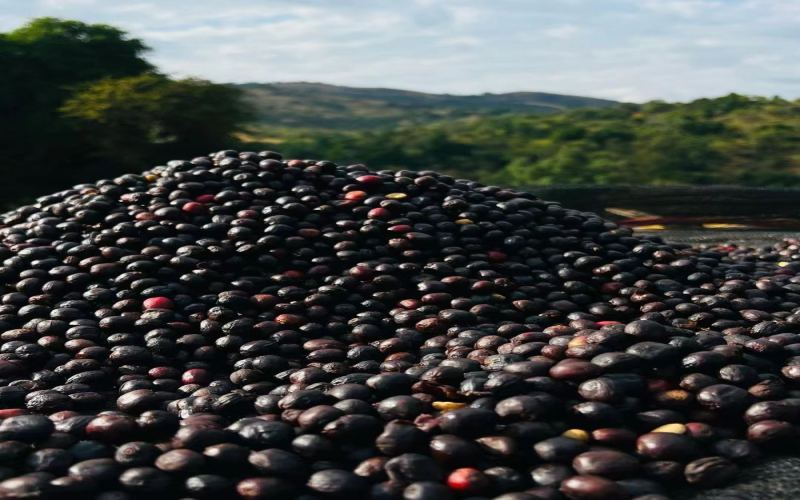
Ethiopian Coffee Variety Analysis: Characteristic Differences Between the Native Heirloom Variety and the Numerically Bred Varieties 74158, 74112, and 74110
Ethiopia, as coffee's genetic treasure trove, has a variety system far more complex than one might imagine. The Heirloom native variety label commonly seen on the market is actually a collective term for mixed-harvest varieties, not a single specific variety. The numeric codes such as 74110, 74112, and 74158 that have frequently appeared in recent years originate from JARC's disease-resistant breeding program in the 1970s. This article will systematically sort out the classification of Ethiopian coffee cultivation models, the essential meaning of Heirloom, the origin of the 74-series numeric varieties, and the identification and naming of Landrace local varieties, helping coffee enthusiasts understand the variety information on Ethiopian coffee bags. [more…]
A Complete Analysis of Ethiopian Coffee Varieties: From the Native Heirloom to the Origins of the 74/75 Numerical Lines
As the birthplace of coffee, Ethiopia has a variety system far more complex than we might imagine. What exactly does the commonly seen Heirloom native variety mean on the market? What do the numerical codes such as 74110 and 74158 that have frequently appeared on packaging in recent years represent? This article will sort out the three cultivation models of Ethiopian coffee, trace the historical context of the JARC disease-resistant breeding program in the 1970s, explain the naming logic of the 74/75 series lines, and introduce the progress in identifying and naming Landrace local varieties. At the same time, by combining specific products such as Front Street Coffee's Kafa Forest washed lot and Sidamo Santaverney 74158, it will help readers build a complete understanding of Ethiopia's variety system. [more…]
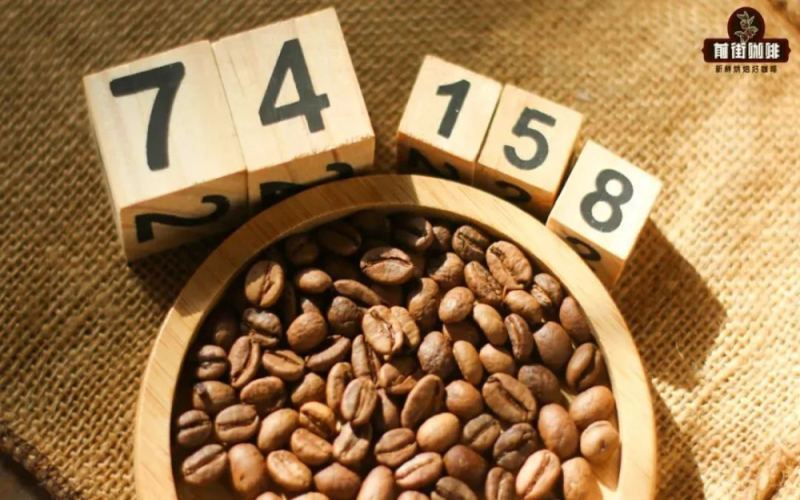
The Origin and Flavor Characteristics of Ethiopian Digital Coffee Varieties 74158 and 74110
When purchasing Ethiopian coffee, in addition to the common Heirloom native variety label, in recent years more and more varieties with numerical codes have entered the public eye, such as 74158, 74110, and others. What exactly do these numbers represent? They are closely related to a period of disease-resistant breeding history in the Ethiopian coffee industry. In the 1970s, coffee anthracnose ravaged Ethiopian producing regions, prompting the Jimma Agricultural Research Center to launch a systematic breeding program, selecting from hundreds of samples several varieties that combined disease resistance with excellent flavor. This article will outline the origins of these numerical varieties, their classification logic, the flavor characteristics of their main representatives, and their performance in COE competitions, and will also introduce related products brought in by Front Street Coffee. [more…]
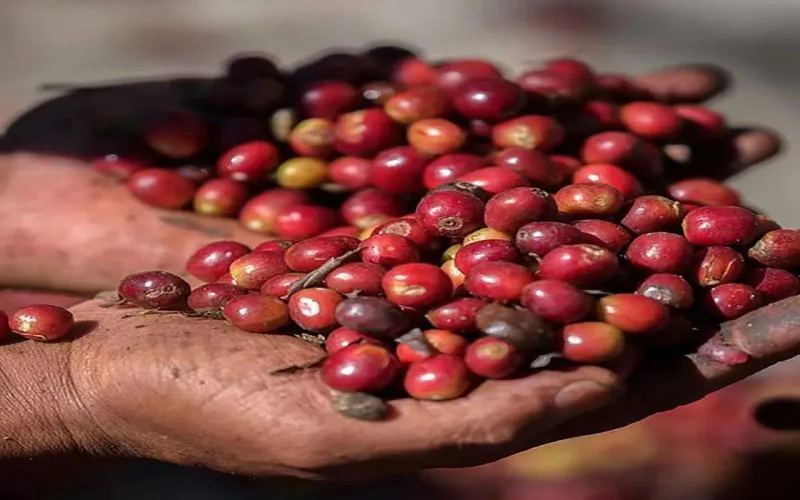
Why Are Ethiopian Coffee Beans So Uneven in Size? A Variety Analysis of the Sidamo Santaverry 74158
Ethiopia, as the birthplace of Arabica coffee, is known for beans with floral and citrus notes, but many enthusiasts notice that the coffee beans here often vary in size and shape. This is not a quality issue, but rather the result of the country's extraordinarily rich variety of coffee cultivars, diverse cultivation patterns, and a grading system that focuses on defect rate rather than bean size. This article will analyze the causes of differences in Ethiopian coffee bean morphology, introduce the three cultivation methods of garden, estate, and forest, explain the JARC digital variety series and the origin of 74158, and finally present the flavor profile of Front Street Coffee's Sidamo Santawini coffee beans. [more…]
An In-Depth Analysis of Ethiopian Coffee: From Origin Legends to the Two Specialty Regions of Yirgacheffe and Sidamo
Ethiopia is widely recognized as the cradle of specialty coffee, and for centuries it has consistently supplied the world with single-origin coffee beans of outstanding quality. Coffee from this land captivates countless palates with its layered flavors, bright acidity, and delicate floral aromas. What exactly makes Ethiopian coffee so highly regarded? From the shepherd Kaldi's accidental discovery to the Jebena clay pot brewing ritual passed down to this day; from the innovation of Yirgacheffe washed processing to the rich expression of Sidamo natural processing—this article will guide you through the cultural roots, cultivation models, and the unique charm of two representative specialty regions of Ethiopian coffee, along with Front Street Coffee's brewing suggestions for reference. [more…]
A Complete Guide to Ethiopian Coffee Regions: Flavor Profiles and Coffee-Growing Culture from Yirgacheffe to Sidamo
Ethiopia, as the birthplace of coffee, has been supplying the world with the finest single-origin coffee for centuries. Its unique highland climate, smallholder farming model, and long-standing coffee ceremony culture together shape the complex and ever-changing flavor profile of Ethiopian coffee. From the bright citrus-and-floral Yirgacheffe to the full-bodied, long-lasting sweetness of Sidamo, each producing region has its own irreplaceable character. This article will guide you through an in-depth understanding of the cultural origins of Ethiopian coffee, its cultivation methods, the terroir characteristics of two representative specialty regions, and the brewing parameters for Front Street Coffee's recommended Sidamo Santa Vini 74158 coffee beans, providing coffee lovers with a complete guide to Ethiopian coffee. [more…]
A Complete Guide to Anaerobic Fermentation Processing: The Differences Between Anaerobic Natural, Anaerobic Washed, and Double Anaerobic Methods
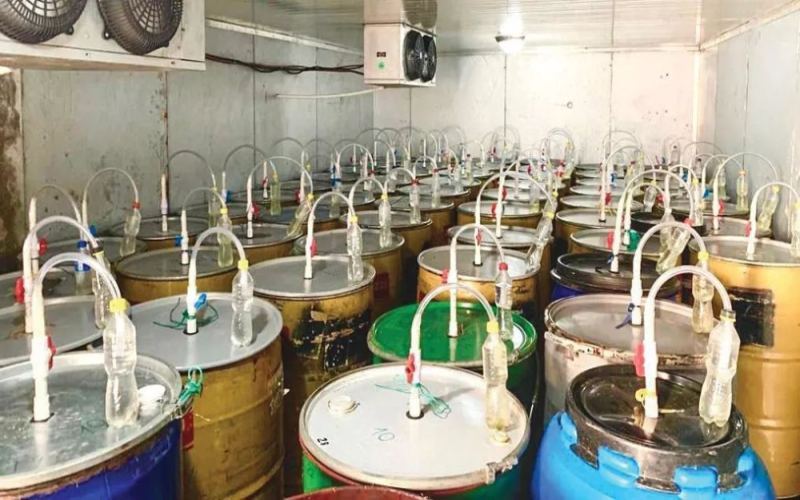
Anaerobic fermentation processing is a green bean processing technology that has attracted much attention in the coffee industry in recent years. Since Sasa Sestic, the 2015 WBC champion, brought it to the forefront, it has quickly swept through the specialty coffee world. Inspired by red wine-making techniques, this processing method injects carbon dioxide into a sealed container to expel oxygen, creating an oxygen-free environment that allows precise control of the fermentation process, giving coffee beans higher sweetness and more unique flavor layers. As processing technologies continue to evolve, experimental methods such as anaerobic natural, anaerobic washed, and double anaerobic have emerged one after another, each presenting distinctly different flavor expressions. This article will systematically sort out the principles and origins of anaerobic fermentation, and analyze one by one the process steps and flavor characteristics of these three common anaerobic processing methods, while also explaining them in conjunction with specific Front Street Coffee bean offerings. [more…]
Introduction to Anaerobic Fermentation in Coffee | What Is the Anaerobic Fermentation Processing Method? What Is the Difference Between Anaerobic Natural, Anaerobic Washed, and Double Anaerobic Coffee Processing Methods?
Anaerobic Fermentation has been very popular in the coffee world in recent years, mainly because Sasa Sestic, the Australian competitor who won the 2015 WBC, started this trend, and even in 2018 WB [more…]
A Complete Guide to Anaerobic Coffee Processing: Key Differences from Traditional Natural and Washed Methods and Flavor Expression
Anaerobic coffee has been appearing on coffee bean lists frequently in recent years. Although many people have tried it, they only have a vague understanding of its specific process, and some even develop an aversion to it due to unfamiliarity. In fact, anaerobic processing is not as complicated as imagined. In most cases, it simply adds an extra anaerobic fermentation step before traditional natural or washed processing. The depth of fermentation is precisely the key that determines the direction of coffee flavor. From the perspective of Front Street, this article sorts out the basic principles of anaerobic processing, common methods, and their connection with traditional processing. Combined with three specific beans, it helps readers understand the flavor differences brought by different anaerobic treatments, so they can find the cup that suits their taste. [more…]
What Is Anaerobic Coffee Processing? Anaerobic Natural vs. Anaerobic Washed Flavor Differences and Front Street Colombia Bean Menu Breakdown
In recent years, any coffee processing method that claims to be innovative seems unable to avoid the word "anaerobic." In fact, the principle of anaerobic processing is not complicated: whether fresh cherries are put into stainless steel tanks with one-way valves or sealed in bags with the air expelled, an oxygen-free environment can be achieved. The real difficulty lies in precisely controlling the degree of fermentation, not in the technique itself. As oxygen is gradually replaced by carbon dioxide, fermentation at a certain stage produces flavors reminiscent of stone fruit and peach. This discovery quickly triggered imitation across major producing regions worldwide, and anaerobic processing thus became popular. In addition to its signature flavors, anaerobic processing can also give coffee a dense mouthfeel and a sweeter aroma. This article will take several Colombian specialty coffees on Front Street Coffee's bean list as examples to specifically compare the taste differences brought by anaerobic natural and anaerobic washed processing. [more…]
Rose Valley Flower Moonlight Coffee Beans Pour-Over Guide: A Complete Analysis of Anaerobic Enzyme Washed and Natural Processing Methods
Coffee enthusiasts' taste demands are becoming increasingly refined. The original terroir flavors produced by traditional washed and natural processing methods can no longer satisfy diverse expectations, and various specialty processing methods have emerged as a result. From the perspective of Front Street, this article systematically reviews the principles and classifications of anaerobic fermentation processing, compares the differences between natural fermentation and temperature-controlled fermentation, and provides an in-depth analysis of three processing workflows: anaerobic natural, anaerobic washed, and anaerobic enzyme-washed. At the same time, using Front Street Huayueye coffee beans from the Huila region of Colombia and Rose Valley coffee beans from Big Tree Estate as examples, it presents a complete approach from green bean processing to roasting curve selection, and then to pour-over parameter development, helping readers understand how specialty processing methods shape the flavors in the cup. [more…]